
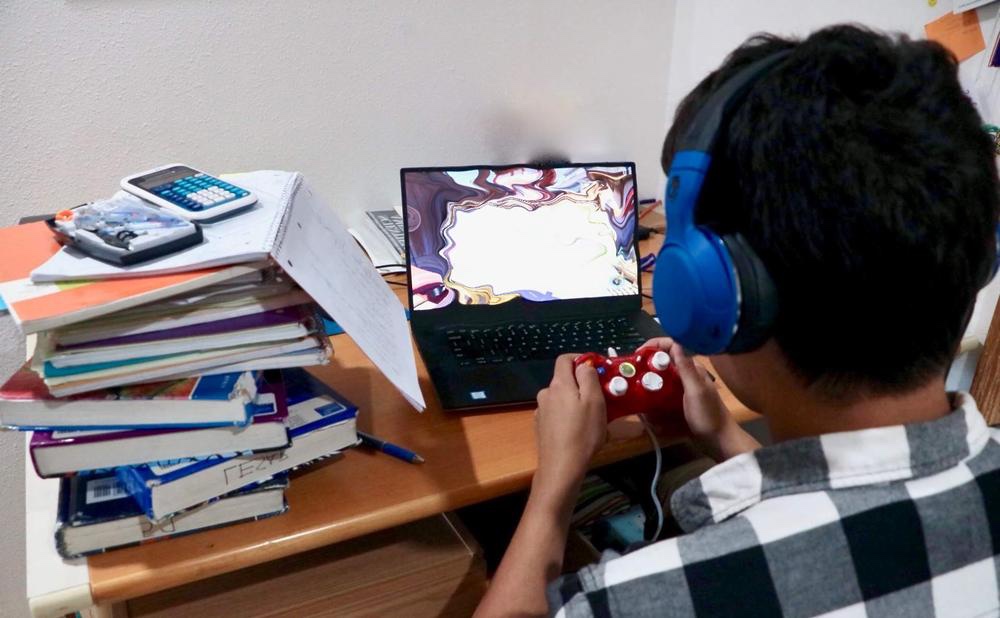

It’s 8:30am on Monday morning and you have a deadline to meet by 4pm. You think to yourself, “I have plenty of time to get this done by 4pm.” As the day goes on, you start reading emails and cleaning your inbox, make a grocery list for the week, respond to a text thread with family members about recent news, check your social media notifications several times and converse about memes, take several bathroom breaks after which you enjoy some fresh air for several minutes. It’s 2:30pm. You say to yourself, “how did this happen? Where did the time go? How can I have everything submitted by 4pm?!”
If this sounds like you, you’re not alone!
Procrastination is the act of delaying or postponing tasks or actions, typically in favor of something more interesting or less unpleasant. It is a common problem that affects many people and can have negative consequences on productivity and well-being. Procrastination is an active process whereby you choose to do something else instead of a task that you need to be doing. In contrast, laziness is an inactive process suggesting apathy and an unwillingness to act.
Understanding Procrastination
Before tackling procrastination, it is important to understand why it occurs. There are several reasons why people procrastinate, including:
- Fear of failure or success
- Lack of motivation or interest
- Perfectionism
- Overwhelm or feeling too many tasks to do
- Lack of clarity or direction
By identifying the underlying reason for procrastination, it becomes easier to address the issue and find effective strategies for overcoming procrastination and achieving your goals.
Strategies to Overcome Procrastination
- Prioritize your to-do list. Use Eisenhower’s Urgent/Important Principle. This helps you quickly identify the activities that you should focus on and those you can ignore.
- Break tasks into small steps. When a task seems overwhelming, it can be helpful to break it down into smaller, more manageable steps. This makes the task less daunting and easier to approach.
- Use peak times for more difficult tasks. Identify when you’re most effective and do the tasks that you find most difficult during that time.
- Set a specific goal and deadline. Setting a goal with a specific deadline creates a sense of urgency and motivation to get the task done. It is important to make the goal realistic and achievable.
- Eliminate distractions. Distractions such as social media, email, or television can interfere with productivity. Eliminating or minimizing distractions can improve focus and concentration.
- Create a routine. Establishing a routine or schedule can help build momentum and make it easier to get started on tasks. This can include setting aside specific times for work, breaks, and leisure activities.
- Change your internal dialogue. Telling yourself things like “I need to” and “I have to,” imply that you have no choice in what you do and may create a sense of powerlessness. However, telling yourself, “I choose to,” implies ownership and creates a sense of power and control.
- Reward progress. Celebrating progress and accomplishments can help maintain motivation and momentum. Rewards can include small treats or breaks, or simply acknowledging progress made.
- Do a cost/benefit analysis. List the advantages and disadvantages of procrastinating on a specific task.
- Get an accountability partner. Having someone to hold you accountable can provide motivation and support. This can be a friend, family member, or someone else you trust.
Conclusion
Procrastination can be a challenging habit to overcome, but it is possible with the right strategies and mindset. By understanding the reasons for procrastination and using effective techniques, it is possible to increase productivity and achieve goals.
Sources:
- https://hbr.org/2017/10/5-research-based-strategies-for-overcoming-procrastination
- https://www.npr.org/2021/02/06/964893563/life-kit-how-to-fight-procrastination
- https://www.verywellmind.com/tips-for-overcoming-procrastination-2795714
- https://www.healthline.com/health-news/procrastination-digital-age
