

Art therapy has emerged as a promising approach in addressing mental health concerns, with a particular focus on anxiety disorders. This article delves into the growing body of evidence supporting the effectiveness of art therapy as a therapeutic intervention for individuals grappling with anxiety.

Art therapy involves the use of creative processes, such as drawing, painting, and sculpting, to facilitate self-expression and enhance emotional well-being. Unlike traditional talk therapies, art therapy provides a non-verbal outlet for individuals to explore and communicate their thoughts and emotions.
Expressive Outlets and Anxiety Reduction
Research indicates that art therapy can effectively reduce symptoms of anxiety by providing individuals with a safe space to express and process their emotions. Findings consistently highlight improvements in anxiety symptoms, increased self-awareness, and enhanced emotional well-being among participants engaged in art therapy interventions. The tactile and sensory aspects of the creative process can help individuals connect with their emotions in a unique way allowing for the externalization of internal struggles and gaining insight. Art therapists guide clients through the creative process, encouraging exploration and self-reflection.
Neurobiological Mechanisms
Neuroscientific studies support the positive impact of art therapy on the brain. Engaging in artistic activities can activate brain regions associated with emotional processing and regulation. This neurobiological response may contribute to the anxiety-relieving effects observed in individuals participating in art therapy.
Diverse Modalities and Approaches
Art therapy encompasses various modalities, including mindfulness-based art therapy, person-centered approaches, and group settings. The diversity of these approaches allows for tailored interventions, catering to the unique needs and preferences of individuals seeking relief from anxiety.
Benefits of Art Therapy
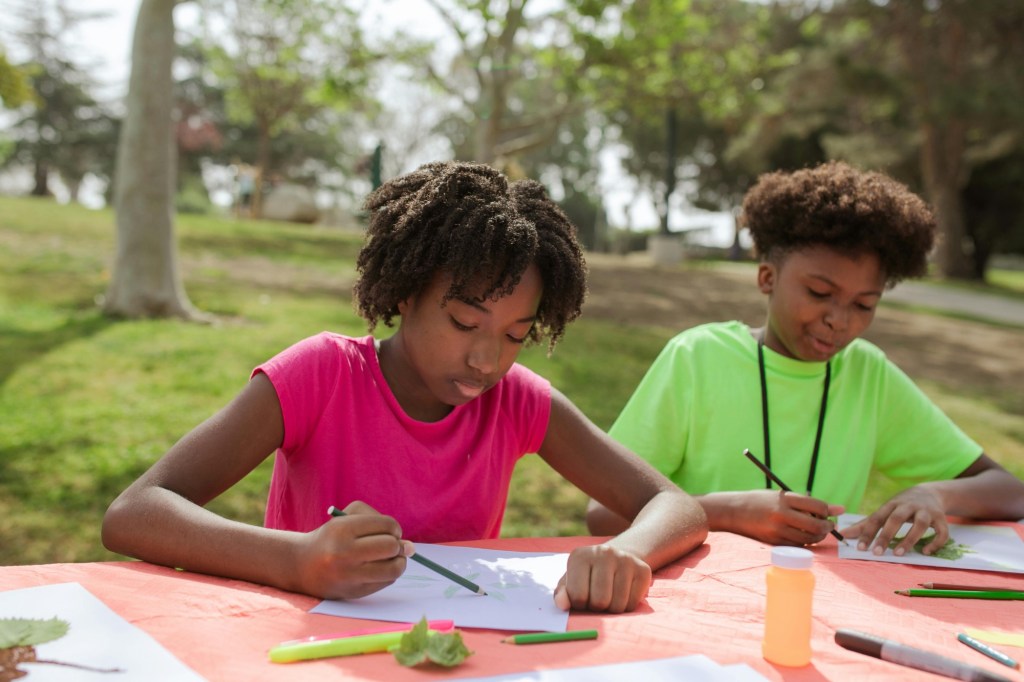
Art therapy offers a myriad of benefits, contributing to both mental and emotional well-being. Some key advantages include:
Self-Expression: Art therapy provides a non-verbal means for individuals to express thoughts, emotions, and experiences as it encourages the use of metaphor, symbolism, and visualization. This can be particularly beneficial for those who struggle with verbal communication.
Stress Reduction: Engaging in creative processes can help reduce stress levels by promoting relaxation and diverting focus from daily stressors.
Emotional Release: Artistic expression allows individuals to release pent-up emotions, providing a healthy outlet for processing and managing intense feelings.
Enhanced Self-Awareness: Creating art fosters self-reflection, enabling individuals to gain insights into their emotions, behaviors, and underlying issues contributing to anxiety.
Catharsis: Art therapy facilitates a cathartic experience, allowing individuals to purge and transform negative emotions into a tangible and manageable form.
Empowerment: The act of creating art empowers individuals, instilling a sense of control over their creative process and contributing to a positive self-image.
Coping Mechanisms: Through the creative process, individuals can develop and practice coping mechanisms, fostering resilience and adaptive responses to stressors.
Mindfulness and Present Moment Awareness: Engaging in art requires focus on the present moment, promoting mindfulness and helping individuals disconnect from past regrets or future anxieties.
Social Connection: Group art therapy sessions provide opportunities for social interaction, fostering a sense of belonging and support among participants.
Personal Growth: Art therapy encourages personal growth by challenging individuals to explore new ways of thinking, fostering adaptability and resilience.
Cultural and Identity Exploration: Art-making allows individuals to explore and celebrate their cultural identity, providing a space for self-discovery and affirmation.
The growing body of research supporting the efficacy of art therapy in alleviating anxiety underscores its potential as a valuable therapeutic tool. As a holistic and expressive approach, art therapy offers individuals a creative path towards understanding, managing, and ultimately overcoming anxiety. It is often used in conjunction with other therapeutic modalities to support individuals in their mental health journey. Continued exploration and integration of art therapy into mental health practices hold promise for fostering resilience and well-being in those navigating the complexities of anxiety.
