

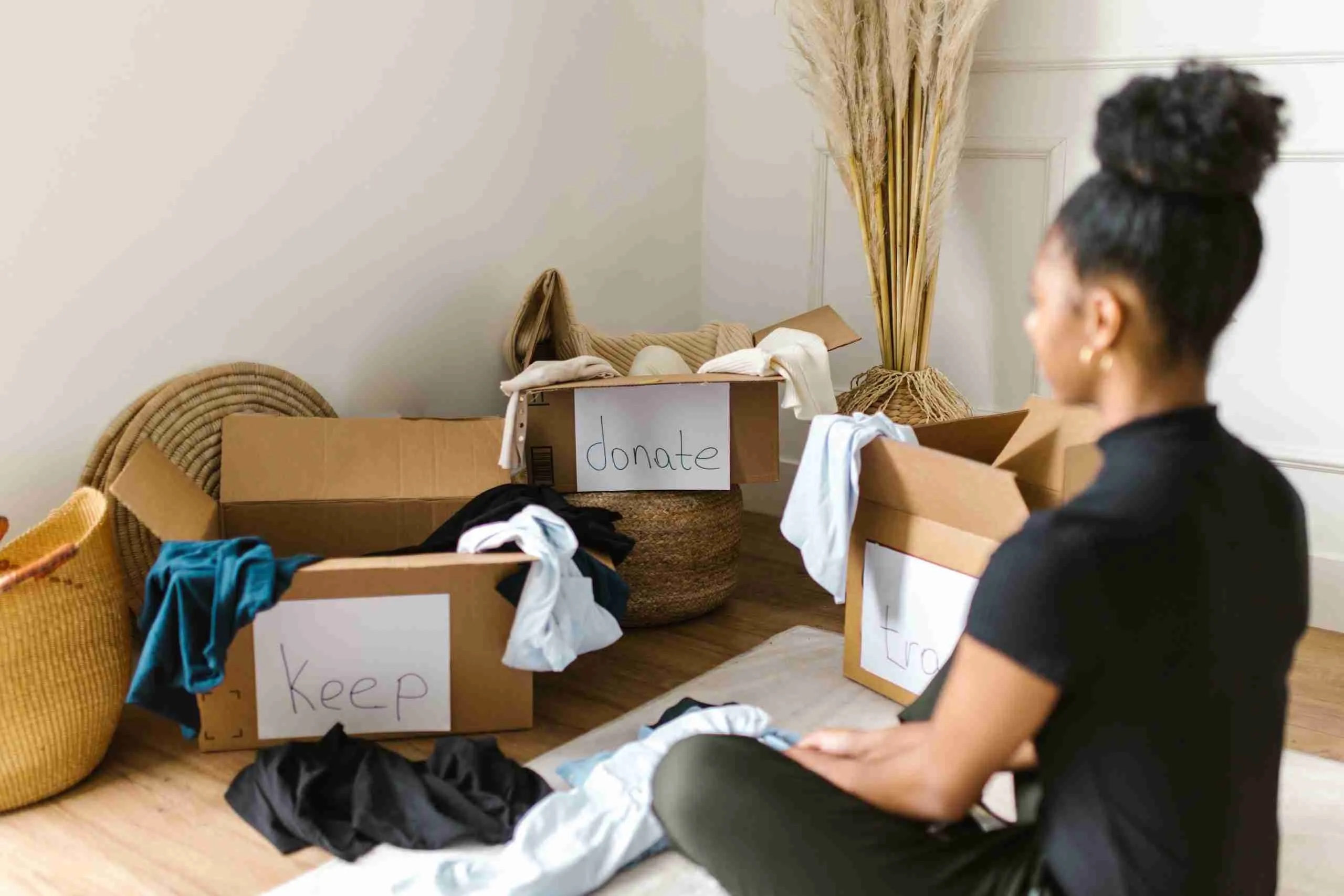
Decluttering refers to the process of removing unnecessary items, reducing excess belongings, and organizing spaces to create a more orderly and functional environment. It involves assessing and prioritizing possessions, letting go of items that are no longer needed or serve a purpose, and organizing the remaining items in an intentional manner. The goal of decluttering is to simplify living spaces, reduce stress, and create an environment that supports well-being and productivity.
Decluttering is essential for healthy living because it has several positive impacts on both mental and physical well-being.
- Reduced Stress: A clutter-free environment can contribute to lower stress levels. Disorder and excess belongings can create visual chaos, leading to feelings of overwhelm and anxiety. A tidy space promotes a sense of calm and order.
- Improved Focus and Productivity: A clutter-free space allows for better concentration and productivity. When your surroundings are organized, you’re less likely to be distracted, making it easier to focus on tasks and accomplish goals.
- Enhanced Creativity: A clean and organized environment can stimulate creativity. It provides a blank canvas for fresh ideas and encourages a more creative thought process, free from the distractions of clutter.
- Better Mental Health: Clutter can contribute to feelings of suffocation and a lack of control. By decluttering, individuals often experience a sense of accomplishment and regain a feeling of mastery over their environment, positively impacting mental health.
- Improved Sleep: A clutter-free bedroom can contribute to better sleep. A serene and organized space can help create a relaxing atmosphere conducive to restful sleep.
- Physical Health Benefits: Decluttering often involves cleaning, which can eliminate dust, allergens, and potential health hazards. Additionally, a well-organized space makes it easier to maintain a healthy lifestyle by providing room for exercise and preparing nutritious meals.
- Enhanced Social Life: A clutter-free home can be more inviting and conducive to social interactions. People are more likely to feel comfortable and welcomed in a clean and organized space.
Declutterring your home is a transformative process that not only clears physical space but also brings mental clarity. Here are several practical steps you can take to embark on a journey towards a more organized and peaceful living environment.
- Set Realistic Goals: Define specific decluttering goals for each room or area. Decide what you want to achieve, whether it’s creating more space, improving organization, or reducing stress.
- Start Small: Begin with a manageable area to avoid feeling overwhelmed. Tackling one room or even a specific category (e.g., clothes, books) at a time can make the process more achievable.
- The Four-Box Method: Place four boxes labeled “Keep,” “Donate/Sell,” “Trash,” and “Relocate.” As you go through items, assign each to one of these boxes based on its relevance in your life.
- Donate or Discard: Revamp your wardrobe by removing items you no longer wear. Donate to charities or sell clothes that don’t fit or suit your style. Discard broken or unusable items responsibly.
- Paperless Organization: Reduce paper clutter by digitizing important documents and bills. Create a filing system for the remaining essential papers, discarding unnecessary duplicates or outdated information.
- Declutter Digital Spaces: Organize files on your computer, delete unused apps, and unsubscribe from email lists to reduce digital clutter.
- Address Sentimental Items: Sentimental items can be challenging. Keep what truly holds meaning, but consider taking photos of items you can’t part with to preserve memories without the physical clutter.
- Furniture Optimization: Evaluate your furniture layout and remove pieces that overcrowd the space. Invest in multi-functional furniture to maximize utility without sacrificing space.
- Invest in Storage Solutions: Utilize storage solutions such as bins, shelves, or drawer organizers to keep items in order. This helps prevent future clutter and keeps your space organized.
- Evaluate Purchases: Before buying something new, assess whether it adds value to your life and if you have space for it. Avoid impulsive purchases that could contribute to clutter.
Remember, decluttering is an ongoing process. That said, regular maintenance ensures your home stays organized, creating a more peaceful and functional living space.
As you embark on this journey, you’ll find yourself not just organizing your belongings but also rediscovering the essence of your living space. Decluttering is an opportunity to curate an environment that reflects your values, aspirations, and the life you want to lead.
By embracing the simplicity that decluttering offers, you unlock a world of benefits – increased productivity, reduced stress, and a greater appreciation for the things that truly matter. It’s a journey of self-discovery, as you learn to let go of the unnecessary and embrace the beauty of a minimalist, organized life.
Self-help information and information from the internet is useful, but it is not a substitute for professional advice. If you are currently in treatment or in therapy, please consult your therapist, psychiatrist, or other mental health professional.
