
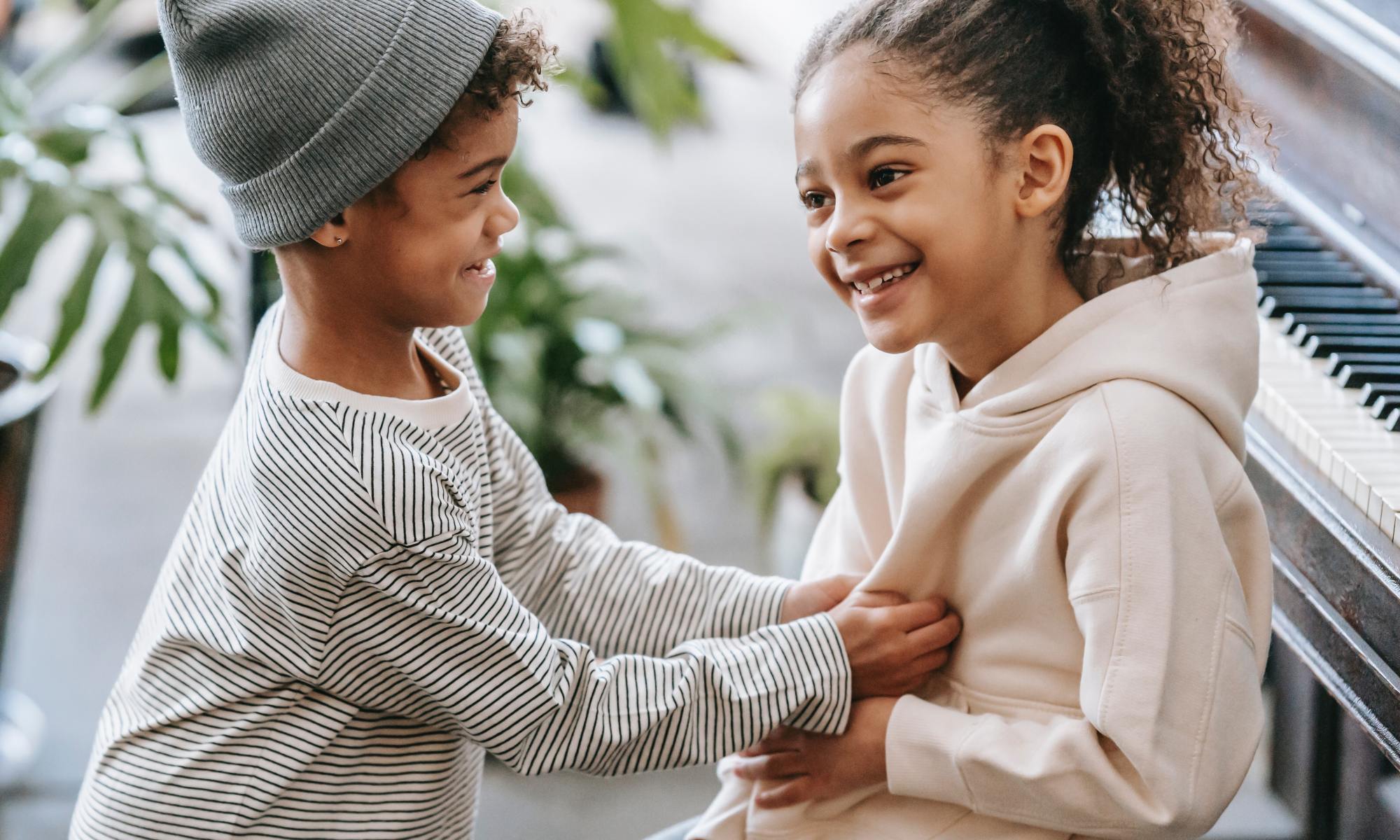
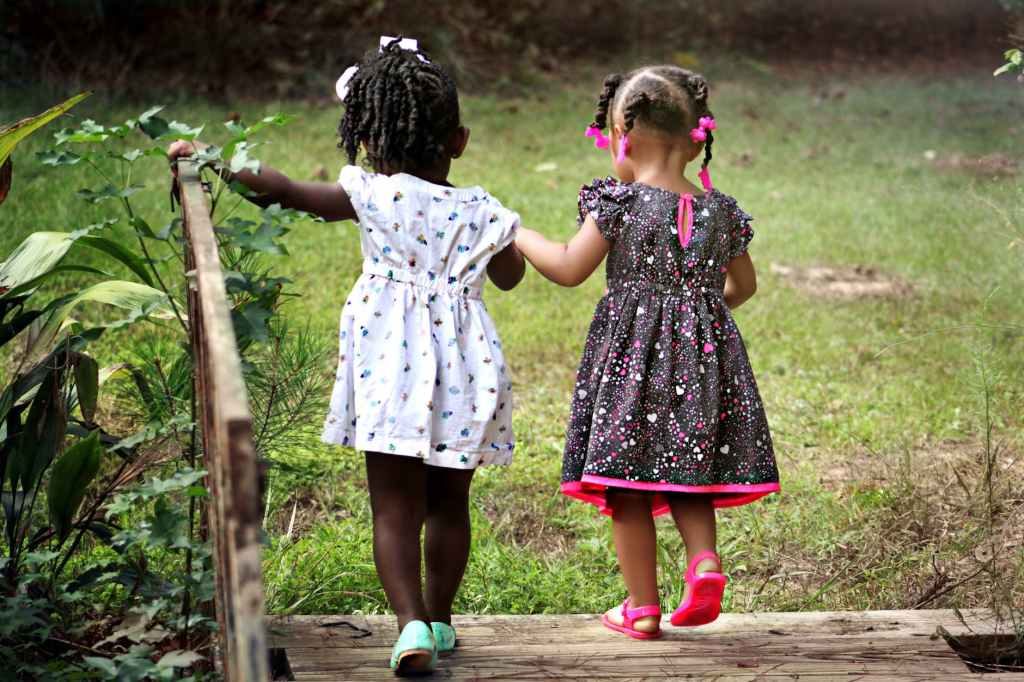
What are Perspective-Taking and Empathy?
Perspective-taking is the ability to see a situation or understand a concept from another person’s point of view. It involves imagining how someone else thinks or feels in a given context, which helps in understanding their motivations, thoughts, and emotions. While perspective-taking focuses on understanding another person’s thoughts, views, or experiences, empathy adds an emotional connection to that understanding. Empathy involves not only seeing things from another person’s perspective but also sharing and responding to their emotions.
Empathy and perspective-taking are both crucial life skills that help children navigate social interactions, build deep and compassionate relationships, and contribute positively to their communities. As a parent, you play a pivotal role in nurturing these traits in young minds. Here’s how you can help kids develop and demonstrate perspective-taking and empathy.
1. Model Empathetic Behavior
Children learn by observing the adults around them. When you show kindness, acknowledge others’ feelings, and respond with compassion, kids are likely to emulate your behavior. Take time to talk about your own emotions and how you consider others’ perspectives in your decisions. For example, you might say, “I wonder how Jane feels after losing her toy. I would be sad if that happened to me.”
2. Encourage Open Conversations
Create a safe space where children feel comfortable expressing their emotions and sharing their thoughts. Ask open-ended questions like, “How do you think your friend felt when you didn’t share?” or “Why do you think they acted that way?” These types of conversations help children think beyond their own experience and consider others’ feelings and viewpoints.
3. Use Storytelling and Books
Reading stories about diverse characters and challenging situations can help children practice putting themselves in someone else’s shoes. After reading, ask questions like, “What do you think the character was feeling in this part of the story?” or “How would you feel if you were in their situation?” This encourages them to reflect on different emotions and perspectives.
4. Practice Active Listening
Teach kids the importance of listening fully to others without interrupting. You can role-play with them by taking turns sharing stories and then repeating what the other person said to ensure they understood. Active listening fosters empathy because it shows children how to truly hear and understand someone else’s feelings.
5. Promote Problem-Solving
When conflicts arise, encourage kids to think about the situation from all sides. Ask them how each person involved might be feeling and guide them in finding a solution that takes everyone’s needs into account. This helps children practice perspective-taking in real-life scenarios and understand that their actions affect others.
6. Encourage Volunteering or Acts of Kindness
Getting involved in community service or performing small acts of kindness can help kids see life from different perspectives. Whether it’s volunteering at a local charity or writing a kind note to a friend, these actions teach children that their empathy can be turned into positive, tangible contributions to the world around them.
7. Teach Emotional Vocabulary
Children often struggle to express their feelings because they may lack the language to do so. Teaching kids to identify and name their emotions—happy, sad, frustrated, excited, etc.—helps them better understand their own feelings and, by extension, the feelings of others. Activities like emotion charts or simple conversations about feelings can be a great way to build this skill.
8. Use Real-Life Scenarios
Whenever possible, use real-life events to foster empathy and perspective-taking. If a child sees someone who is hurt or upset, ask them, “How do you think they are feeling? What could you do to
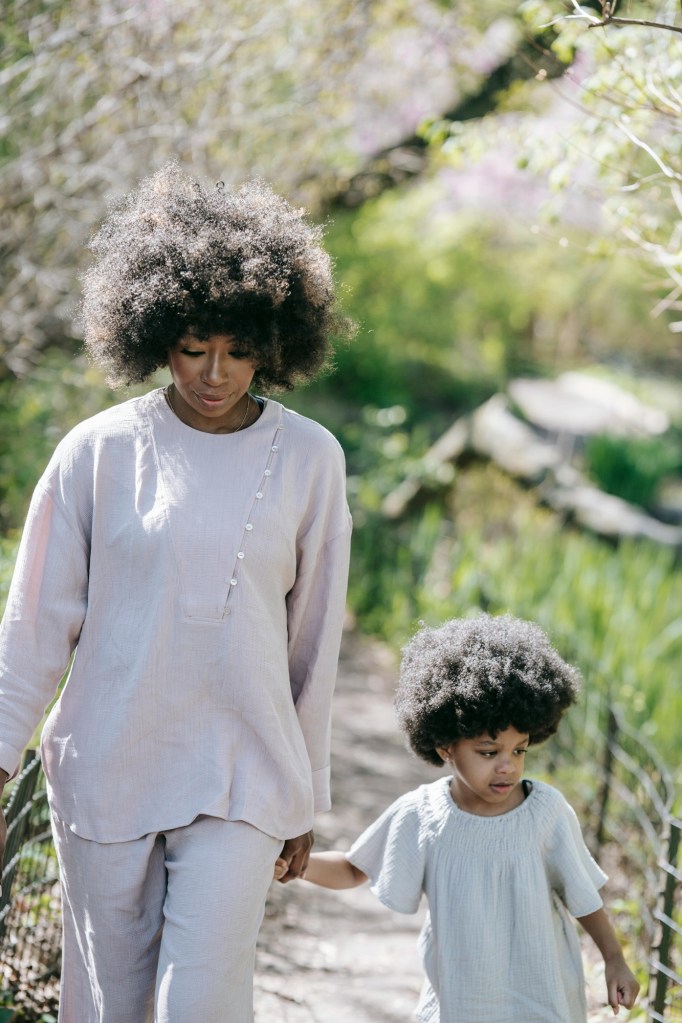
In conclusion, teaching kids empathy and perspective-taking is a gradual process that requires patience, consistency, and intentionality. By modeling empathy, encouraging open discussions, and guiding children through real-life scenarios, you help them develop the emotional intelligence needed to understand and connect with others. These skills not only improve their relationships but also shape them into compassionate, thoughtful individuals who can navigate the complexities of the world with kindness and understanding. With your guidance, children can learn that empathy is a powerful tool for building bridges and creating positive change in their communities.
Self-help information and information from the internet is useful, but it is not a substitute for professional advice. If you are currently in treatment or in therapy, please consult your therapist, psychiatrist, or other mental health professional.
