
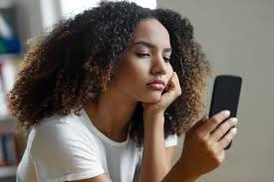

Election cycles can feel relentless, especially in today’s 24/7 media environment. You may feel the stress no matter who you are voting for. As a major election approaches, you may feel a familiar rise in anxiety, irritability, poor appetite, insomnia, and a general sense of stress—a phenomenon often referred to as “election stress.” Unfortunately as your brain spends vast amounts of energy on identifying threats, there is not much room for noticing or engaging in things that relax and recharge you. That said, this is one of the reasons you may feel exhausted leading up to major elections.
What Is Election Stress?
Election stress, sometimes called “election stress disorder,” is the heightened anxiety and stress people feel during an election season. While not a clinical diagnosis, election stress is a recognized phenomenon that can trigger significant mental and physical responses. Symptoms often include increased worry, sleep disturbances, irritability, and fatigue.
The American Psychological Association (APA) has reported a rise in election-related stress over the past few election cycles, with an increasing number of people identifying political events as significant sources of stress. This stress can be felt regardless of political orientation or demographic, as the anticipation and uncertainty surrounding election outcomes affect a wide array of people.
Why Does Election Stress Happen?
Election stress can stem from several sources, such as:
Uncertainty: The uncertainty surrounding election outcomes can provoke anxiety, as people worry about the future of policies, their personal lives, and the broader social landscape. Not knowing what’s next can create a feeling of lack of control, which is a key driver of anxiety.
Media Exposure: With the continuous news cycle and the rise of social media, it’s easy to feel overwhelmed by constant updates, speculation, and divisive rhetoric. This constant information overload can increase feelings of stress and helplessness.
Social Pressures: Family and social gatherings can sometimes turn into intense political debates, adding to the pressure to align with specific views or to stay quiet to avoid conflict. This can lead to increased tension and stress, especially around people with differing perspectives.
Values and Identity: People often tie elections to their personal values, community well-being, or even their identity. When these elements feel threatened, it can lead to heightened emotional responses and a sense of vulnerability.
Strategies for Managing Election Stress
Limit Media Consumption: While staying informed is important, setting boundaries with media consumption can help reduce stress. Try scheduling specific times to check the news rather than constantly scrolling. Taking breaks from social media can also provide relief, as social platforms often amplify strong opinions and disagreements.
Practice Relaxation: Deep breathing, meditation, or progressive muscle relaxation can help counteract the body’s stress response. Mindfulness exercises can ground you in the present moment, helping to alleviate anxiety about the future.
Focus on What You Can Control: Election outcomes are beyond any one individual’s control, but there are smaller actions you can take. This could mean volunteering, having constructive conversations, or focusing on making a positive impact in your local community.
Engage in Healthy Social Connections: Seek out supportive, understanding friends or family members with whom you can talk openly and respectfully. Avoid those interactions that consistently lead to conflict, and remember that it’s okay to set boundaries around these discussions.
Take Care of Your Physical Health: Physical activity, balanced meals, and good sleep can have significant effects on your mental health. Exercise, in particular, has been shown to reduce stress by releasing endorphins, improving mood, and increasing energy levels.
Seek Professional Support: If election stress feels unmanageable, consider speaking with a mental health professional. Therapy can provide effective strategies for dealing with anxiety and stress, helping you build resilience in challenging times.
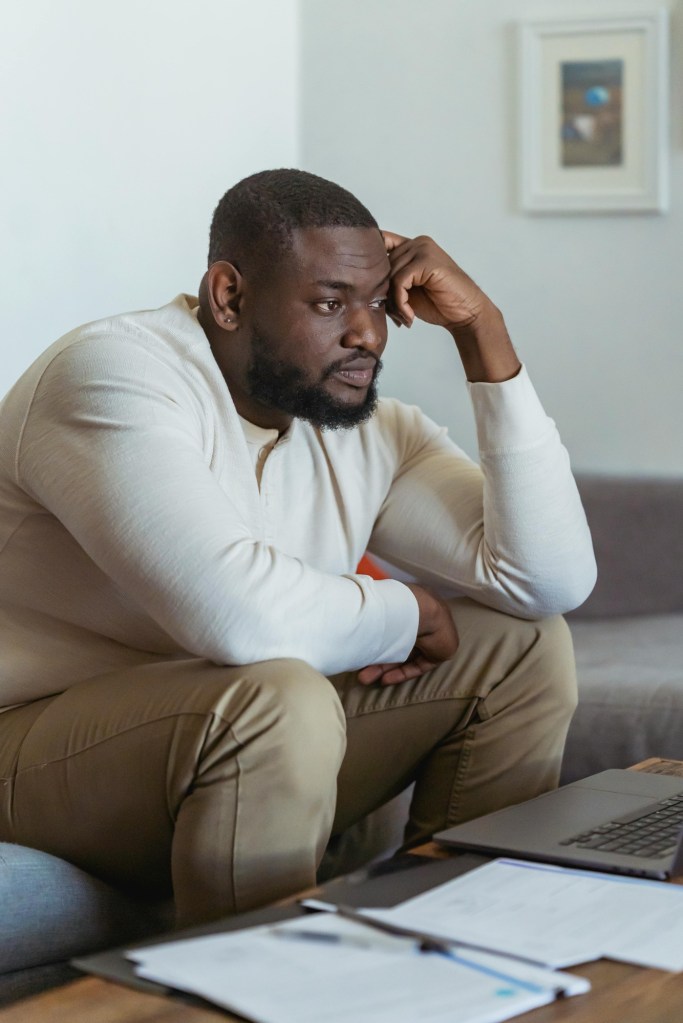
In conclusion, remember, this too shall pass. Election stress is real and can feel overwhelming, but it’s temporary. With a thoughtful approach to managing your mental health and setting boundaries, you can reduce election-related stress and find peace. Remember that taking care of yourself during election season isn’t just okay—it’s essential.
Self-help information and information from the internet is useful, but it is not a substitute for professional advice. If you are currently in treatment or in therapy, please consult your therapist, psychiatrist, or other mental health professional.
