

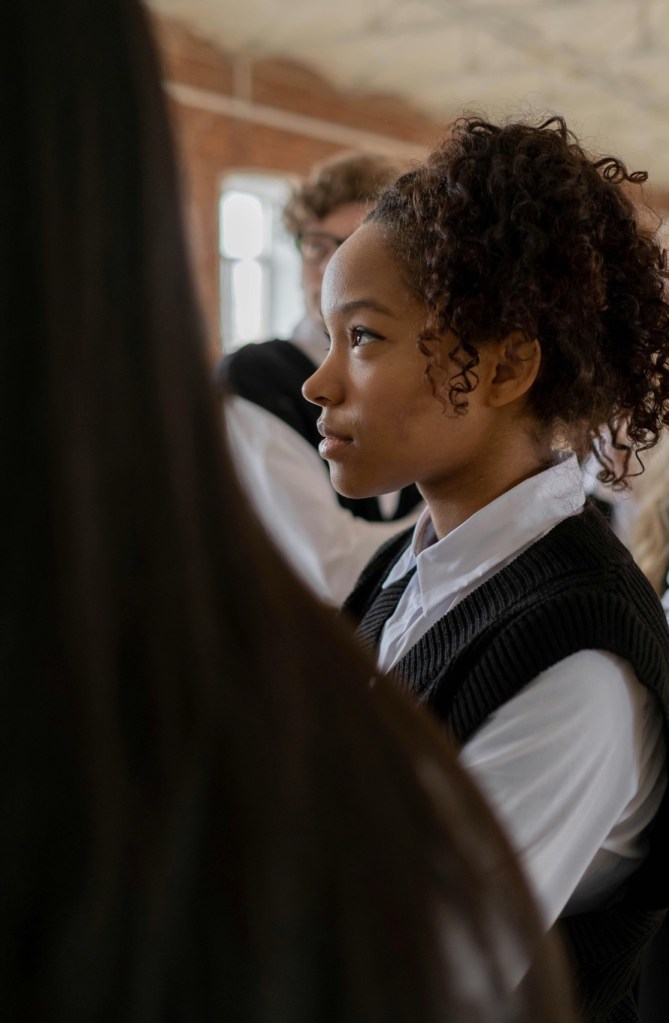
Middle school can be an especially turbulent period in a child’s life. Between the ages of 11 and 14, children face a host of physical, social, and emotional changes as they transition from childhood to adolescence. This developmental stage can make it difficult for middle schoolers to regulate their emotions, leading to moments of frustration, anxiety, or mood swings. Understanding why middle schoolers struggle with emotion regulation and knowing how to support them can help parents, teachers, and caregivers navigate these challenging years with greater empathy and effectiveness.
Why Middle Schoolers Struggle with Emotion Regulation:
Brain Development
During middle school, your child’s brain is still developing, particularly the prefrontal cortex, which is responsible for decision-making, impulse control, and emotional regulation. At the same time, the amygdala, the part of the brain that processes emotions, is highly active. This imbalance can result in heightened emotional responses and difficulty managing feelings.
Hormonal Changes
Puberty brings significant hormonal changes that can affect your middle schoolers mood and behavior. Fluctuations in hormones such as estrogen and testosterone can lead to increased irritability, mood swings, and emotional sensitivity.
Social Pressure and Identity Formation
Middle school is a time when social dynamics shift and there is heightened pressure to fit in. Middle schoolers are often focused on finding their identity and place within peer groups, which can lead to feelings of insecurity and stress.
Academic Stress
The transition from elementary to middle school often comes with an increase in academic workload and responsibility. Your middle schooler may feel pressure to perform well, leading to anxiety and emotional strain when they face challenges.
Physical Changes
The physical transformations of puberty, such as growth spurts and changing body shapes, can also contribute to feelings of awkwardness or discomfort, impacting your child’s self-esteem and emotional regulation.
How to Help Middle Schoolers with Emotion Regulation:
Model Healthy Emotional Expression
Your child learns by observing. Adults who openly and healthily express their emotions set a positive example. Show your child how to communicate feelings effectively and cope with stress in constructive ways.
Teach Coping Strategies
Encourage your middle schooler to develop skills such as deep breathing, journaling, or mindfulness techniques to help them calm down during emotional moments. These tools can empower them to manage their feelings more effectively.
Provide a Safe Space to Talk
Make it clear that you are available to listen without judgment. Open and honest conversations about emotions may help your child feel validated and supported.
Encourage Physical Activity
Regular physical activity can help regulate mood and reduce stress. Encourage participation in sports, dance, band, drama, or any form of physical activity they enjoy to release pent-up energy and improve overall well-being.
Help Them Identify Triggers
Help your child recognize what situations or interactions tend to trigger strong emotions. Being more aware of emotional triggers may help your child develop strategies to respond in healthier ways.
Promote Adequate Sleep and Nutrition
Sleep and a balanced diet play essential roles in emotional regulation. Ensure your child gets enough rest and eating nutritious meals to support their mental and physical health.
Teach Problem-Solving Skills
Help your child learn to break down challenges and think of solutions step-by-step. This practice not only aids in emotional regulation but also builds resilience and confidence.

The middle school years are filled with changes and challenges that can make emotional regulation difficult for young adolescents. Understanding the reasons behind these struggles (e.g., brain development, hormonal changes, social pressures) allows us as parents and caregivers to approach this phase with patience and insight. When we model healthy emotional behaviors, teach coping strategies, foster open communication, we provide our children with the tools they need to navigate their emotions. Not only during middle school but also throughout their lives.
Self-help information and information from the internet is useful, but it is not a substitute for professional advice. If you are currently in treatment or in therapy, please consult your therapist, psychiatrist, or other mental health professional.
