

Our skin is more than just a protective barrier; it’s an intricate organ that often reflects what’s happening inside our body. One of the most significant internal influences on our skin is stress. Whether it’s a deadline or chronic anxiety, stress can wreak havoc on your complexion. Understanding the link between stress and skin health is as important as understanding how we can break the cycle.

How Stress Affects Our Skin
When we’re stressed, our body releases hormones like cortisol and adrenaline. While these are essential for the “fight or flight” response, prolonged elevation can negatively impact our skin in some of the following ways:
Increased Oil Production
Cortisol triggers our sebaceous glands to produce more oil, which can lead to clogged pores and acne flare-ups.
Weakened Skin Barrier
Chronic stress reduces our skin’s ability to retain moisture, making it dry, dull, and more prone to irritation.
Inflammation
Stress-induced inflammation can exacerbate conditions like eczema, psoriasis, and rosacea.
Delayed Healing
Stress slows down our skin’s repair processes, meaning blemishes and wounds take longer to heal.
Premature Aging
Prolonged stress can accelerate aging by increasing free radicals, which damage collagen and elastin, leading to wrinkles and sagging.
Common Stress-Related Skin Conditions
Acne: Breakouts often worsen during stressful periods due to hormonal changes and increased oil production.
Eczema (Atopic Dermatitis): Stress can trigger or worsen flare-ups, causing dry, itchy, and inflamed patches.
Psoriasis: Emotional stress is a known trigger for this autoimmune condition.
Rosacea: Stress may cause flare-ups, leading to redness and visible blood vessels.
Hives: Stress can cause itchy, red welts to appear suddenly.
How to Protect Our Skin During Stress
Manage Stress Levels: Practice mindfulness techniques like meditation, deep breathing, or yoga. Get regular exercise to boost endorphins and improve circulation. Prioritize sleep, as it’s essential for both stress management and skin repair.
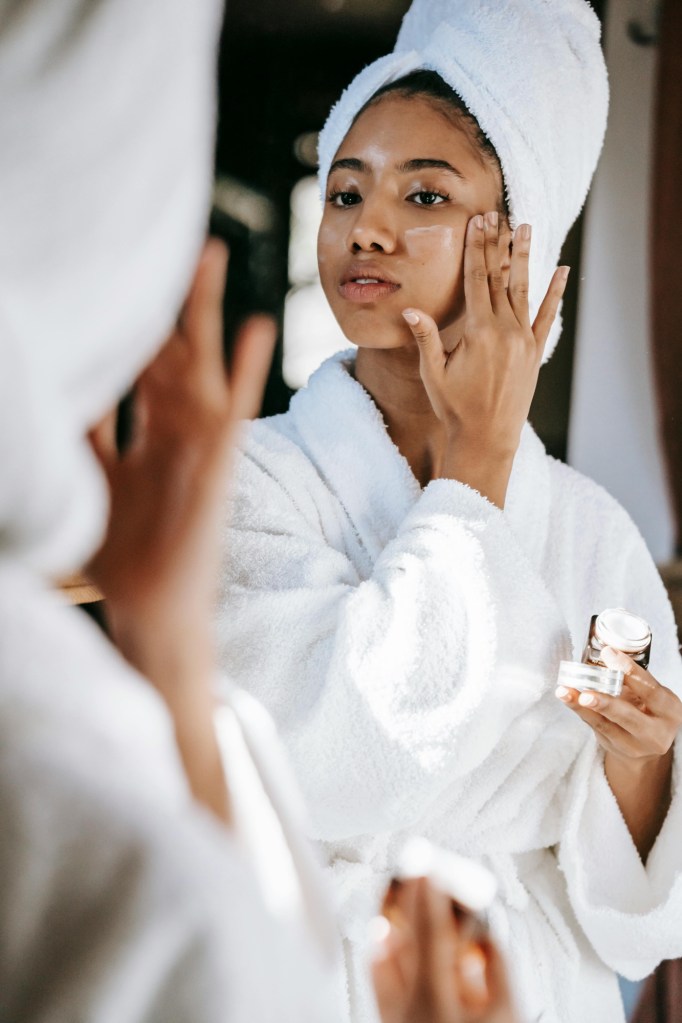
Nourish Your Skin: Use gentle, hydrating skincare products to support the skin barrier. Look for ingredients like hyaluronic acid, ceramides, and niacinamide. Avoid harsh scrubs or over-exfoliating, which can exacerbate irritation.
Stay Hydrated: Drink plenty of water to keep your skin hydrated from the inside. Limit caffeine and alcohol, which contribute to dehydration.
Follow a Balanced Diet: Eat antioxidant-rich foods like fruits, vegetables, and nuts to combat free radicals. Include omega-3 fatty acids (found in salmon, walnuts, and flaxseeds) to reduce inflammation.
Seek Professional Help: If stress is affecting your mental health, consider talking to a therapist. For persistent skin issues, consult a dermatologist.
Breaking the Cycle
Stress and skin problems often form a vicious cycle. Stress worsens our skin, and poor skin health can increase stress. The key is to address both emotional and physical health.
By managing stress effectively and maintaining a consistent skincare routine, we can protect our skin and feel more confident.
Morning and Evening Routine Strategies for Managing Stress

Begin with a Gratitude Practice: Begin your day by listing 3 things you’re grateful for. This simple practice can shift your mindset and set a positive tone for the day.
Practice Deep Breathing: Spend 5 minutes doing deep breathing exercises or a short meditation to calm your mind and prepare for the day ahead.
Avoid Your Phone: Delay checking emails, social media, or news first thing in the morning. Instead, focus on grounding yourself before engaging with external demands.
Move Your Body: Incorporate light exercise, such as yoga, stretching, or a brisk walk, to release endorphins and reduce stress.
Fuel Your Body with a Nutritious Breakfast: Choose foods rich in protein, whole grains, and fruits to stabilize blood sugar and improve mental clarity.
Plan Your Day: Take 5-10 minutes to review your schedule and prioritize your top tasks. A clear plan can reduce feelings of overwhelm and help with focus.
Unplug and Unwind: Turn off electronics at least an hour before bedtime to reduce overstimulation. Instead, engage in calming activities like coloring, reading, journaling, or listening to soothing music.
Reflect and Release: Spend 5-10 minutes journaling about your day. Focus on what went well, express gratitude, and write down anything causing stress to “release” it before bed.
Create a Relaxing Sleep Environment: Dim the lights, maintain a cool room temperature, and use calming scents like lavender. Engage in a calming bedtime ritual, such as sipping herbal tea or practicing deep breathing, to signal your body that it’s time to relax.

In conclusion, the link between stress and skin health highlights the connection between our mental and physical well-being. By incorporating effective stress management strategies we can improve our skin health in addition to our overall quality of life. Remember, a calmer mind often leads to a healthier glow.
Self-help information and information from the internet is useful, but it is not a substitute for professional advice. If you are currently in treatment or in therapy, please consult your therapist, psychiatrist, or other mental health professional.
