

Playing a musical instrument offers a multifaceted therapeutic experience that encompasses physical, emotional, cognitive, and social benefits. Whether playing a clarinet, guitar, French horn, or tapping on drums, the act of playing an instrument transcends musical proficiency. Through the harmonious interplay of mind and body, we find solace, fulfillment, and healing in the transformative power of music-making.
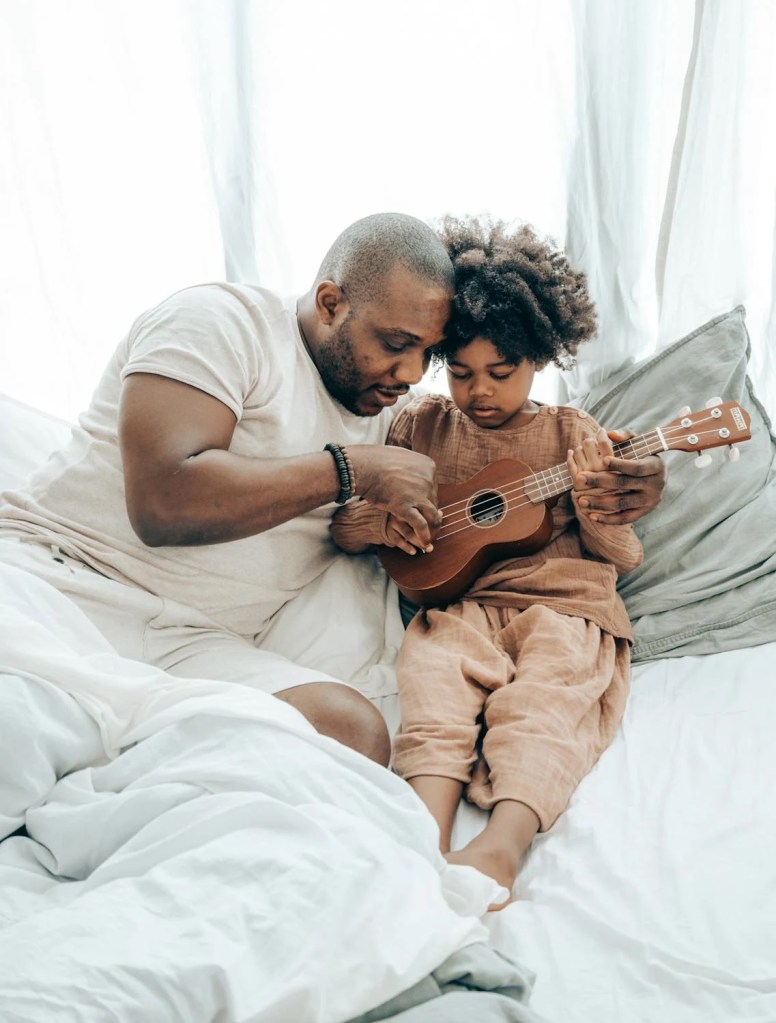
Benefits of Playing an Instrument
Playing a musical instrument can have several therapeutic implications:
• Playing a musical instrument can significantly impact the brain’s reward centers. Several brain regions associated with reward processing, such as the nucleus accumbens and the ventral tegmental area, become activated. This activation leads to the release of neurotransmitters like dopamine, which is linked to feelings of pleasure and reward. As a result, playing an instrument can evoke feelings of enjoyment, satisfaction, and even euphoria, reinforcing the behavior and motivating continued engagement with music. Over time, regular practice and skill development further strengthen these neural pathways, enhancing the reward response and deepening the emotional connection to playing music.
• Emotional expression: Playing an instrument provides a creative outlet for expressing emotions, including stress, anxiety, and tension. Music allows us to channel our feelings into our performance, providing a cathartic release and promoting emotional expression.
• Emotional regulation: Learning to control tempo, dynamics, and expression in music can translate into improved emotional regulation skills in other areas of our lives.
• Stress reduction: Music-making triggers the release of endorphins, our brain’s natural “feel-good” chemicals. Endorphins help to reduce stress and promote relaxation.
• Cognitive benefits: Learning to play an instrument involves various cognitive processes. The practice involves reading sheet music, memorizing melodies, regulating breathing, and coordinating finger/hand movements, all of which contribute to improved memory, concentration, and executive functioning skills. Playing an instrument also engages both the left and right brain hemispheres, enhancing overall cognitive function.
• Motor skills: Playing an instrument requires coordination between the hands and fingers, enhancing fine motor skills and hand-eye coordination.
• Social interaction: Participating in musical ensembles or group lessons fosters social connections and a sense of belonging, which can be particularly beneficial for individuals with social difficulties or isolation.
• Self-esteem: Mastering an instrument and performing in front of others can boost our self-confidence and self-esteem, providing a sense of accomplishment and pride.

Tips for Incorporating a Music-Making Practice Into Your Daily Routine
According to Harvard Health Publishing, the human brain and nervous system possess a natural ability to differentiate music from mere noise, responding to elements like rhythm, repetition, tones, and tunes. Furthermore, research suggests that music has the potential to improve human health and performance. To integrate playing an instrument into your daily routine, consider the following tips:
• Set Aside Regular Practice Time: Schedule dedicated time each day for practicing your instrument, even if it’s just 15-30 minutes. Consistency is key to progress.
• Integrate Music into Daily Routines: Incorporate playing your instrument into your daily routines, such as playing during your morning coffee, before bed, or during breaks throughout the day.
• Keep Your Instrument Accessible: Keep your instrument in a convenient location where you can easily access it. The easier it is to pick up and play, the more likely you’ll be to practice regularly.
• Set Achievable Goals: Set realistic and achievable goals for your musical practice, whether it’s mastering a new song, improving a specific technique, or increasing your practice time gradually.
• Make Practice Enjoyable: Choose music that you enjoy playing and that motivates you to practice. Experiment with different styles and genres to keep things interesting.
• Use Technology to Enhance Practice: Utilize technology to enhance your practice sessions, such as using apps for learning, tuning, and tracking your progress.
• Practice Mindfully: Focus on the present moment while practicing, paying attention to your breath, posture, and technique. Mindful practice can enhance concentration and relaxation.
• Explore Different Learning Resources: Take advantage of various learning resources such as online tutorials or local music teachers or classes.
• Join a Musical Community: Connect with other musicians by joining a band, ensemble, or musical community. Playing with others can provide motivation, accountability, and a sense of camaraderie.
• Celebrate Your Progress: Celebrate your achievements and progress along the way, no matter how small. Recognize the effort you’re putting into your musical journey and enjoy the process of learning and growing as a musician.
In conclusion, the therapeutic implications of playing a musical instrument extend far beyond simply entertainment. From reducing stress and anxiety to enhancing cognitive function and fostering emotional expression, engaging with music can profoundly impact overall well-being. Whether you are a seasoned musician or a beginner, the act of creating music offers a unique avenue for self-expression and healing.
Self-help information and information from the internet is useful, but it is not a substitute for professional advice. If you are currently in treatment or in therapy, please consult your therapist, psychiatrist, or other mental health professional.
