

Sleep is essential for health and well-being, according to the National Sleep Foundation. During sleep, our bodies are extremely productive. Jeff Iliff, an Oregon Health and Science University Neuroscience, explained that during sleep our brains are usually active, and going through a beneficial process that makes you smarter, perkier, and healthier when awake. The brain has a solution to the problem of waste clearance while the body is at rest. During sleep, cerebrospinal fluid (CSF) flows into spaces between brain cells and acts as the waste removal system of the brain. Specifically, brain cells known as glial cells create channels around the neurons that allow the CSF to flood in and wash away toxic proteins that have built up throughout the day. Toxic proteins, such as Amyloid Beta, are washed away to the liver to be excreted.
The Impact of Chronic Sleepiness
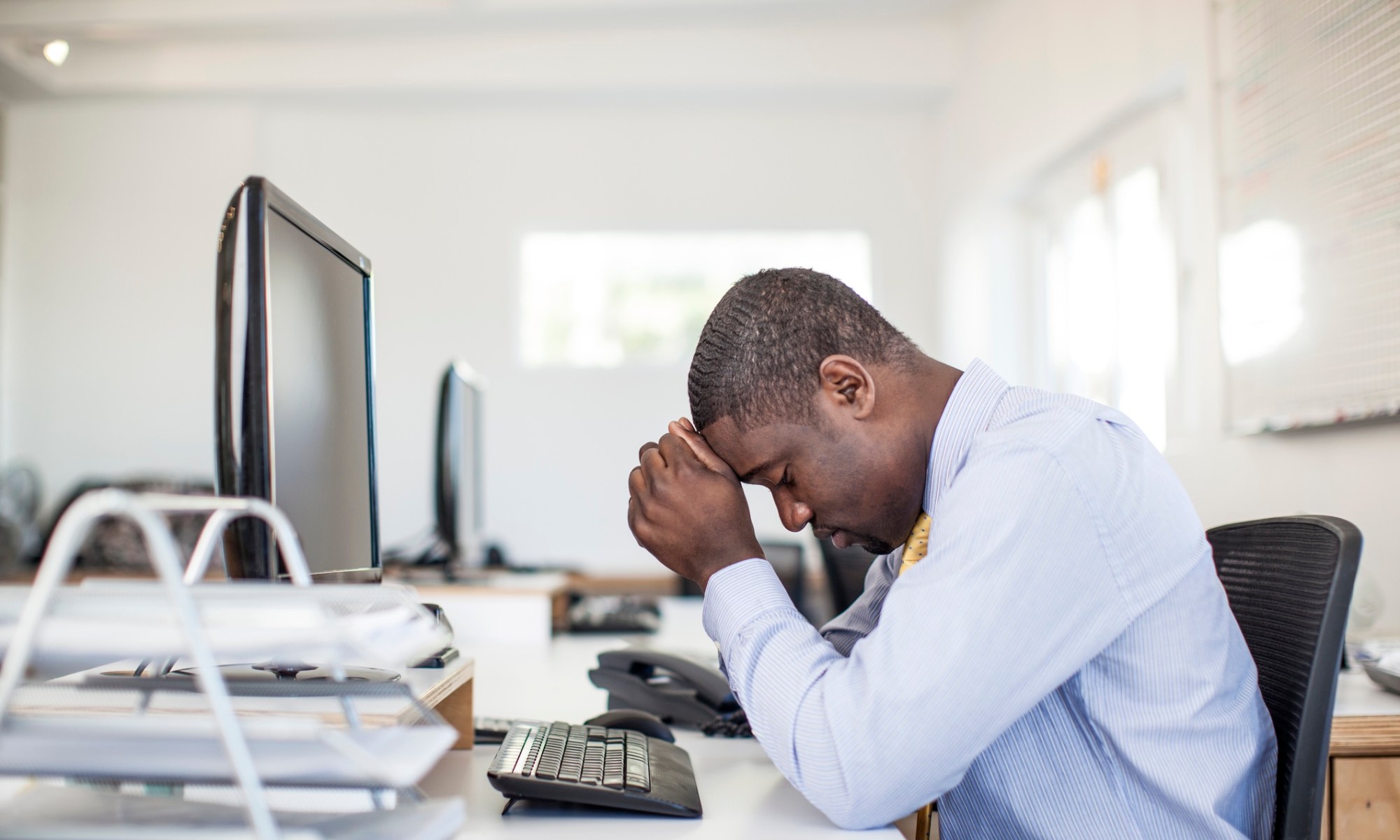
As a society, our sleep habits have become so bad, the Centers for Disease Control (CDC) refers to it as a “public health epidemic.” Sleep is increasingly recognized as important to public health, with sleep insufficiency linked to automobile crashes, industrial disasters, medical errors, and other work-related mistakes. Unintentionally falling asleep, nodding off while driving, and having difficulty performing daily tasks because of sleepiness all contribute to these hazardous outcomes. Individuals who experience sleep deprivation are also more likely to suffer from chronic diseases such as hypertension, diabetes, depression, and obesity, as well as, cancer, reduced quality of life, and decreased productivity. Additionally, sleep disorders (e.g., sleep apnea) that currently affect an estimated 50-70 million US adults play a role in sleep deprivation.
How Sleepiness Affects Us
Sleepiness slows down your thought processes. Researchers have found that sleep deprivation leads to lower alertness and concentration, resulting in increased confusion. Thus, tasks that require logical reasoning or complex thought are negatively impacted. Sleepiness also impairs judgment. Making decisions is more difficult because you can’t assess situations as well and pick the right behavior.
Excessive sleepiness impairs memory. Research suggests that the nerve connections that make our memories are strengthened during sleep. “Sleep embeds the things that we have learned and experienced over the course of the day into our short-term memory,” says Avelino Verceles, MD, assistant professor at the University of Maryland School of Medicine and director of the school’s sleep medicine fellowship. It appears that different phases of sleep play different roles in consolidating new information into memories. If your sleep is cut short or disrupted, it interferes with these cycles. And the inability to focus and concentrate caused by sleepiness further weakens memory. If you’re unable to concentrate, the information doesn’t make it into your short-term or long-term memory.
Poor sleep makes learning difficult. Sleep deprivation affects your ability to learn in two ways. Because you can’t focus as well, it’s more difficult to pick up information, so you can’t learn efficiently. It also affects memory, which is essential to learning.
Lack of sleep impairs reaction time. Sleepiness makes your reaction time slower, a considerable problem when driving or doing work or other tasks that require a quick response. Feeling drowsy alone can be as dangerous as driving drunk. Teens and young adults, individuals with untreated sleep disorders, and shift workers are at highest risk for fatigue-related auto accidents.
Lack of sleep can alter your mood. The lack of adequate sleep causes irritability, depression, anxiety, and anger and, thus, might lessen your ability to cope with stress.
Lack of sleep negatively impacts immunity. When you’re sleeping, your immune system produces protective cytokines and infection-fighting antibodies and cells. It uses these tools to fight off foreign substances like bacteria and viruses. These cytokines and other protective substances also help you sleep, giving the immune system more energy to defend against illness.
Sleep deprivation means your immune system doesn’t have a chance to build up its forces. According to the Mayo Clinic, studies show that if you don’t get enough sleep, it’s more likely that your body won’t be able to fend off invaders. It may also take you longer to recover from illness. Long-term sleep deprivation raises your risk of developing chronic illnesses like diabetes and cardiovascular diseases.

Sleep Hygiene Tips
Healthy sleep habits can make a big difference in your quality of life. Having healthy sleep habits is often referred to as having good sleep hygiene. Try to keep the following sleep practices on a consistent basis:
- Exercise daily. Vigorous exercise is best, but even light exercise is better than no activity. Exercise at any time of day, but not at the expense of your sleep.
- Evaluate your room. Design your sleep environment to establish the conditions you need for sleep including temperature, light, noise level, and other distractions.
- Sleep on a comfortable mattress and pillow. The negative effect of sleeping on a poor-quality mattress and pillow extends beyond your bedtime and affects your mental and physical health.
- Try alternative strategies. A weighted blanket, is a form of deep-pressure therapy that enhance serotonin and dopamine levels. It helps by putting your autonomic nervous system into “rest” mode, reducing some of the symptoms of anxiety and providing an overall sense of calm.
- Use bright light to help manage your circadian rhythms. Expose yourself to sunlight in the morning and reduce exposure to bright light in the evening. This will keep your circadian rhythms in check. You can also use light therapy lamps to help with exposure.
- Avoid alcohol, cigarettes, and heavy meals in the evening. Alcohol, cigarettes and caffeine disrupt sleep.
- Wind down. Your body needs time to shift into sleep mode, so spend the last hour before bed doing a calming activity such as reading, praying, listening to nature sounds, or stretching.
- Remove yourself. If you can’t sleep, go into another room and do something relaxing until you feel tired. It is best to take work materials, computers, and televisions out of the sleeping environment.
In conclusion, chronic sleepiness is more than just feeling tired, it can affect your mood, focus, physical health, and overall quality of life. By identifying the underlying causes and making intentional lifestyle changes, you can begin to restore your energy and promote optimal overall health.
Self-help information and information from the internet is useful, but it is not a substitute for professional advice. If you are currently in treatment or in therapy, please consult your therapist, psychiatrist, or other mental health professional .
Resources
National Sleep Foundation https://sleepfoundation.org/ask-the-expert/sleep-hygiene
Healthline http://www.healthline.com/health/sleep-deprivation/effects-on-body
WebMD http://www.webmd.com/sleep-disorders/excessive-sleepiness-10/emotions-cognitive
