
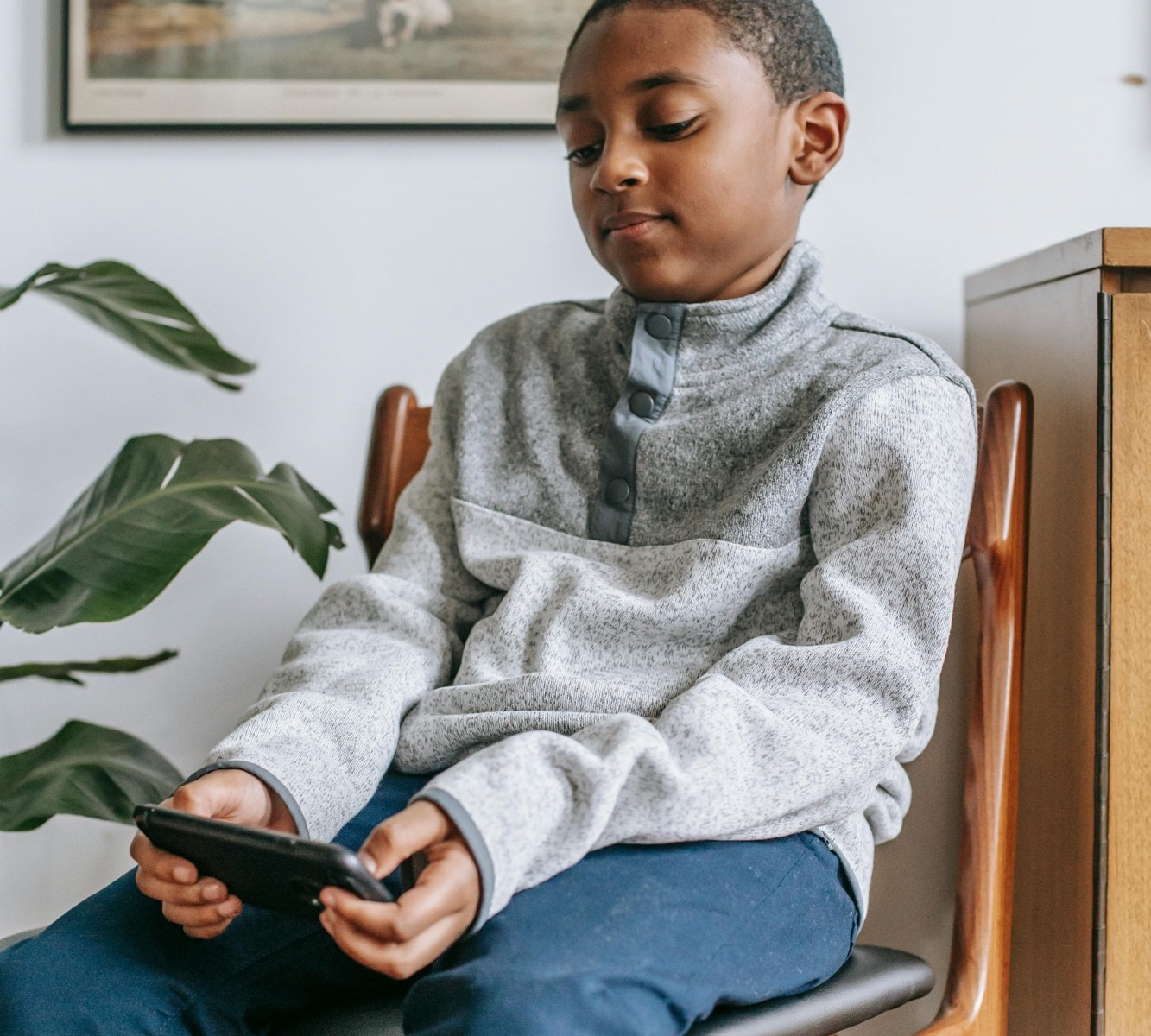

In today’s digital age, social media shapes everything from adolescent social interactions to their self-esteem. However, this constant connectivity comes with a price, particularly to adolescent’s sleep. As they spend increasing amounts of time on platforms like Instagram, TikTok, and Snapchat, the effects of social media use on their sleep patterns are becoming more apparent. From delayed bedtimes to disrupted sleep cycles, the relationship between social media use and sleep disorders in teens is a growing area of concern. Understanding the connection between social media use and sleep deficits is crucial for fostering healthier habits and ensuring that adolescents get the restorative sleep they need for their growth and development.
Social Media’s Impact
Delayed Sleep Onset:
- Screen Time Before Bed: Late night social media use delays sleep onset. The blue light emitted from screens interferes with the production of melatonin, the hormone responsible for regulating sleep.
- Engagement and Stimulation: Social media content, whether it’s engaging in conversations, watching videos, or scrolling through feeds, stimulates the brain, making it harder to wind down and fall asleep.
Sleep Deprivation:
- Reduced Sleep Duration: Excessive use of social media often leads to reduced sleep duration and, thus, fewer hours of sleep.
- Sleep Fragmentation: Notifications and alerts from social media can disrupt sleep cycles, leading to fragmented sleep. Even if adolescents aren’t actively engaging, the presence of a phone nearby can create a sense of anticipation or anxiety which disturbs rest.
Impact on Mental Health:
- Anxiety and Depression: The content on social media, such as cyberbullying, fear of missing out (FOMO), and the pressure to maintain an online presence, can lead to anxiety and depression. These mental health issues are closely linked to sleep disorders, creating a vicious cycle where poor mental health leads to poor sleep and vice versa.
- Social Comparison: Adolescents often compare themselves to others on social media, leading to low self-esteem and stress, which can further disrupt sleep.
Circadian Rhythm Disruption:
- Night Owl Tendencies: Social media use can reinforce night owl behavior, where adolescents stay up late and struggle to wake up in the morning. This can shift their circadian rhythm, leading to chronic sleep issues.
- Weekend Sleep Patterns: The tendency to stay up late on social media and then sleep in on weekends further disrupts the circadian rhythm, making it difficult to maintain a consistent sleep schedule.
How to Address the Issue
To effectively combat the growing issue of sleep disorders among adolescents due to social media use, it’s important to adopt a comprehensive approach that addresses both behavioral and psychological factors.
Setting Boundaries:
- Screen Time Limits: Encouraging adolescents to limit their screen time, particularly before bed, can help mitigate the impact on sleep. Setting specific times to turn off devices and putting them away before bedtime is crucial.
- Digital Detox: Periodic breaks from social media can help reset sleep patterns and reduce anxiety related to social media usage.
Promoting Healthy Sleep Hygiene:
- Consistent Sleep Schedule: Encourage adolescents to maintain a regular sleep schedule, even on weekends, to stabilize their circadian rhythm.
- Creating a Sleep-Inducing Environment: Encourage a relaxing bedtime routine, such as reading a book or listening to calming music, to replace screen time and promote better sleep.
Education and Awareness:
- Parental Involvement: Educating parents about the impact of social media on sleep can lead to more effective monitoring and regulation of social media use.
- School Programs: Schools can incorporate lessons on the importance of sleep and the potential negative effects of social media on mental health and sleep.
Mental Health Support:
- Counseling and Therapy: For adolescents struggling with anxiety, depression, or other mental health issues exacerbated by social media, professional support can be vital. Cognitive-behavioral therapy (CBT) for insomnia (CBT-I) is an effective treatment for sleep disorders.
- Mindfulness and Relaxation Techniques: Teaching mindfulness and relaxation techniques (e.g. diaphragmatic breathing, box breathing) can help adolescents manage stress and anxiety, improving their sleep quality.

In conclusion, the intricate connection between adolescent sleep disorders and social media highlights the need for greater awareness and proactive measures. As digital platforms continue to play a central role in the lives of teens, it is crucial to recognize the impact they can have on sleep health. By setting boundaries, promoting healthy sleep habits, and offering the necessary mental health support, we can help adolescents strike a balance between their online and offline lives. Ensuring that teens get the quality sleep they need is not just about improving their daily functioning but also about safeguarding their long-term well-being.
Self-help information and information from the internet is useful, but it is not a substitute for professional advice. If you are currently in treatment or in therapy, please consult your therapist, psychiatrist, or other mental health professional.
